How to calculate your Zakat
Zakat is 2.5% of your zakatable wealth, paid once you have held wealth at or above the nisab for one lunar year. The calculator above does the arithmetic for you in US dollars. The guide below explains what to include and how your Zakat can reach patients through FAJR.
The nisab in US dollars
The nisab is the minimum wealth at which Zakat becomes due. It is the value of 85 grams of gold or 595 grams of silver. Today's values in dollars are shown in the "About the nisab" box beside the calculator. Many scholars recommend the silver nisab because it is lower, so more people pay and more people in need benefit. Others use gold. The calculator lets you choose.
What counts as zakatable wealth
- Cash and bank balances, including savings and checking accounts.
- Gold and silver, at their current market value.
- Stocks, funds and crypto. Shares you trade are counted at market value. For long-term holdings, scholars differ: some count the full value, others only your share of the company's zakatable assets.
- Business assets, such as stock for sale and cash in the business.
- Money owed to you that you expect to be repaid.
Debts due now, such as this month's bills, are deducted. Your home, car and personal belongings are not zakatable.
Zakat on a 401(k), IRA or other retirement account
This is one of the most common questions from American Muslims, and scholars hold different views. Some say Zakat is due each year on the amount you could withdraw today, after early-withdrawal penalties and taxes. Others say it is due only once you have access to the money. If you follow the first view, enter that after-penalty amount under "Investments and shares". Ask your local scholar which view to follow.
Can Zakat pay for medical treatment?
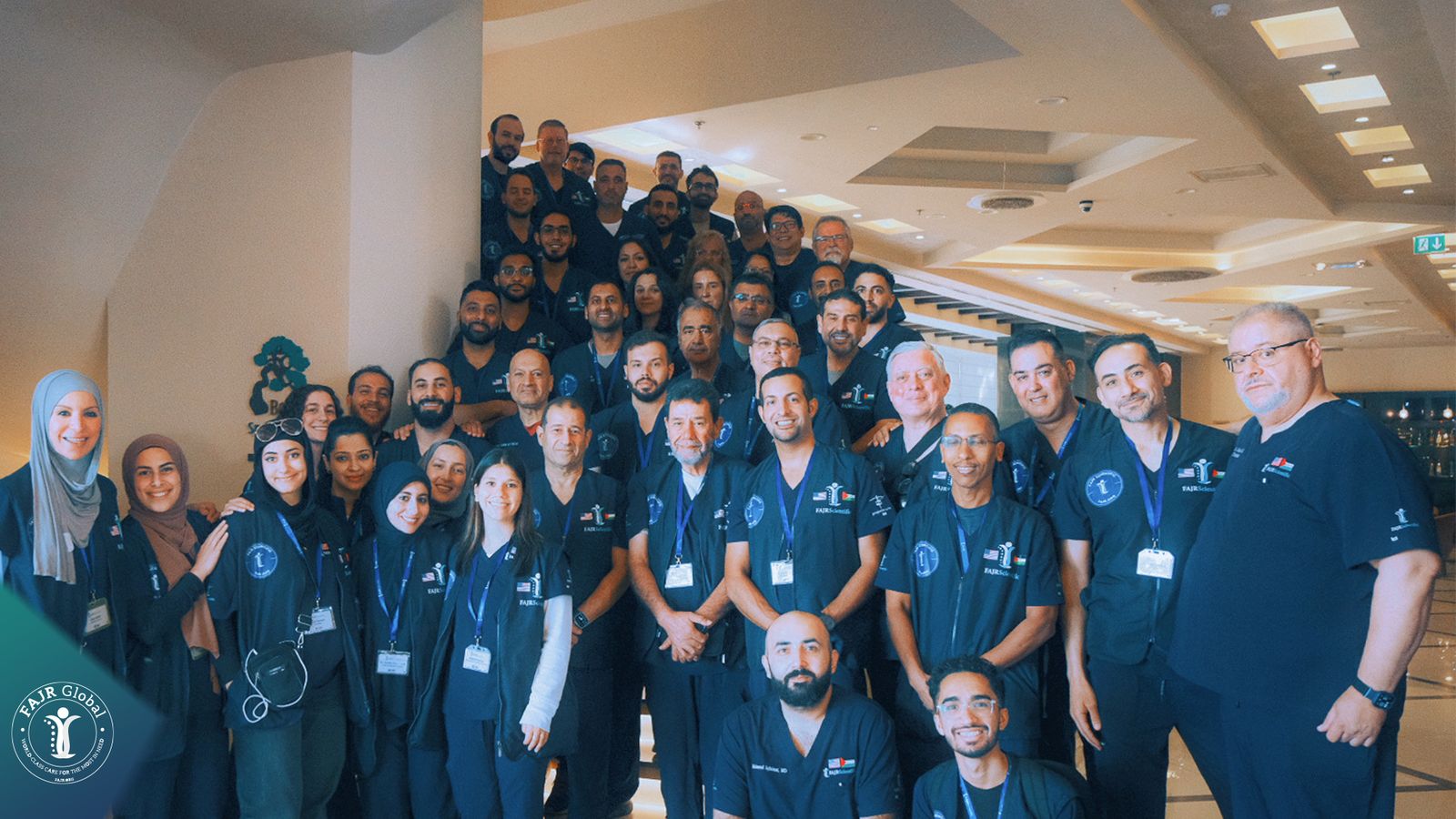
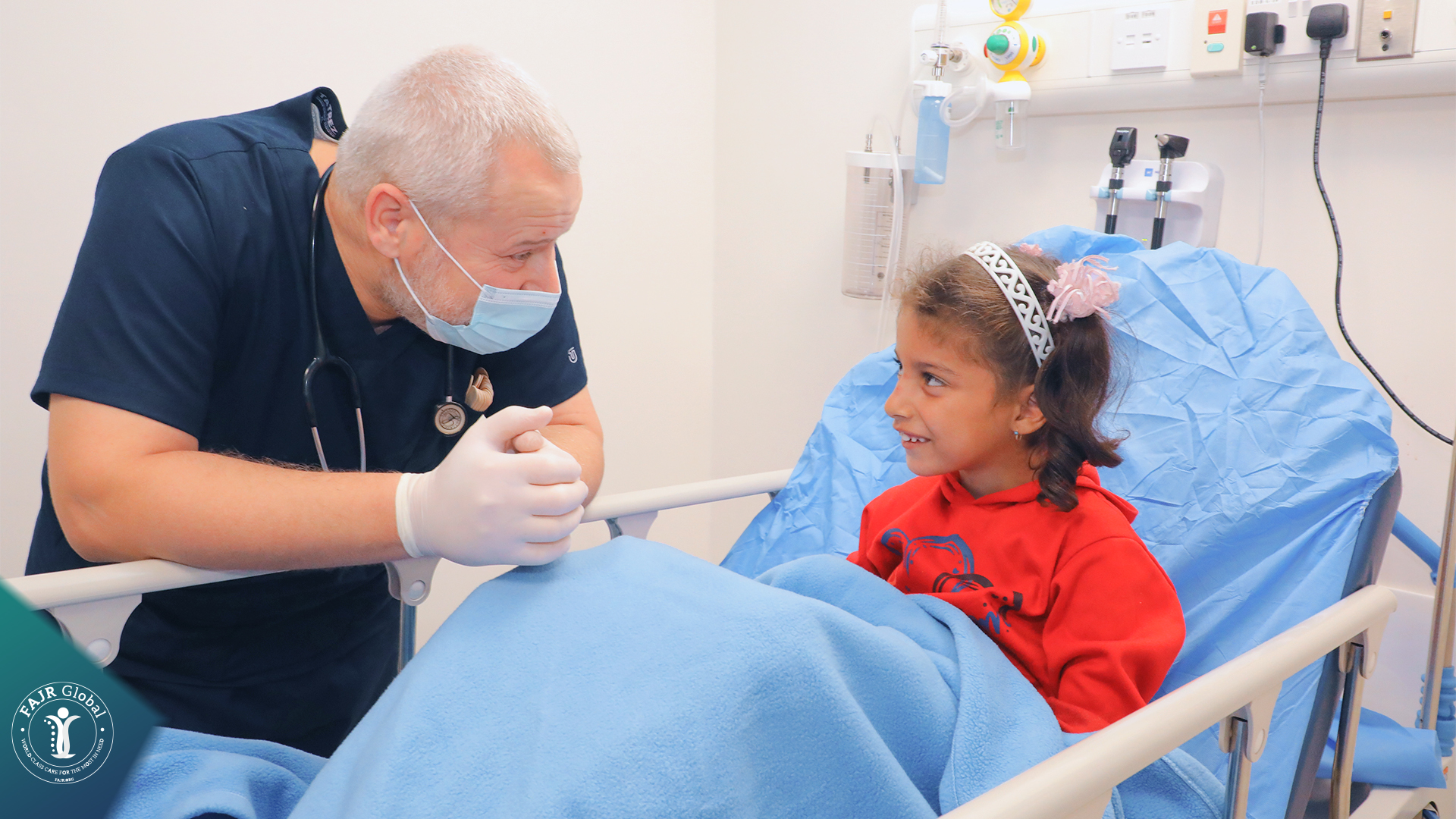
Yes. The poor and the needy are among the eight groups of Zakat recipients named in the Quran (9:60), and many scholars hold that paying for the medical treatment of people who cannot afford it is a valid use of Zakat. This is the core of FAJR's work: surgery, medical evacuations and medicines for patients in Gaza and other crisis zones who have no other way to receive care. Every FAJR campaign is Zakat-eligible, and every patient is treated free of charge.
Pay your Zakat to FAJR
Online by card: choose a campaign below, or give to the General Donation fund where the need is greatest.
By Zelle or check, with no fees: online payments carry about 4% in fees. Send Zelle to donate@fajr.org, or mail a check payable to FAJR GLOBAL. Write "Zakat" in the memo. How to give without fees.
FAJR Global is a 501(c)(3) nonprofit (EIN 83-1497239). Your Zakat is also tax-deductible to the extent allowed by law.
Common questions
When is my Zakat due?
Zakat is due one lunar year after your wealth first reached the nisab. Many people pick a fixed date each year, often in Ramadan, and calculate on that day.
Can I pay Zakat in advance or in installments?
Many scholars allow paying Zakat early, including in monthly amounts, as long as the full amount is paid by the due date.
Is Zakat al-Fitr the same as Zakat?
No. Zakat al-Fitr is a small, fixed amount paid per person before the Eid prayer at the end of Ramadan. This calculator is for Zakat al-Mal, the annual Zakat on wealth.
Can I give Zakat to Gaza?
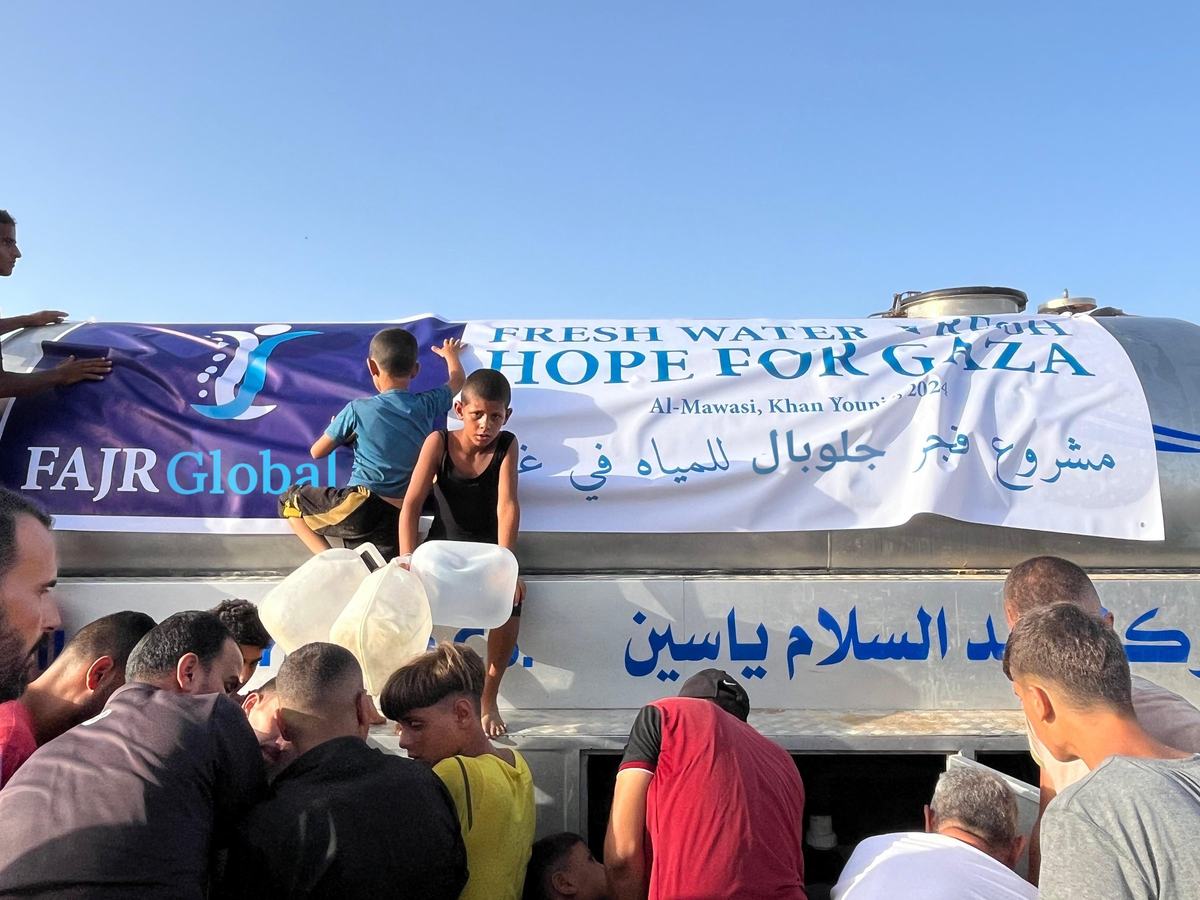
Yes. Most FAJR campaigns serve patients and families in Gaza, from medical evacuations for injured children to hot meals and clean water.