
How important is the reopening of Gaza’s Rafah crossing?
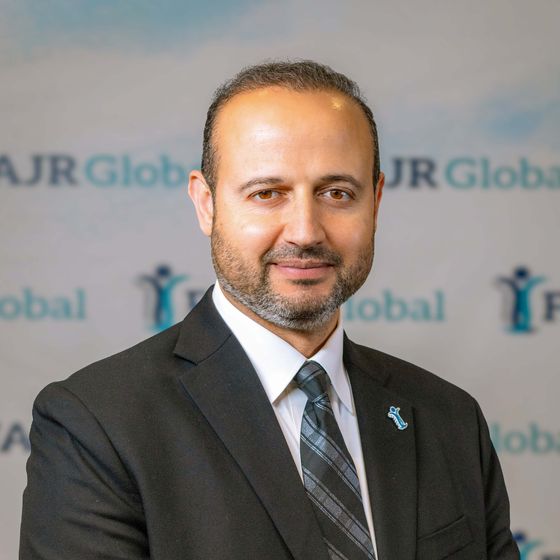
FAJR Global CEO Dr. Mosab Nasser is a guest on Al Jazeera’s Inside Story on the reopening of the Rafah crossing between Gaza and Egypt.
Pictured
FAJR’s leadership on Our TeamAl Jazeera’s Inside Story, presented by Maleen Saeed, asked whether the reopening of the Rafah crossing between Gaza and Egypt will ease the suffering of Palestinians after two years of war. The program says the crossing has reopened under strict Israeli conditions: only a small number of people may move in both directions, mainly for medical evacuations, and aid and construction materials are still barred. Its correspondent in Khan Younis reported that only five patients were allowed out on the opening day, against the 50 expected.
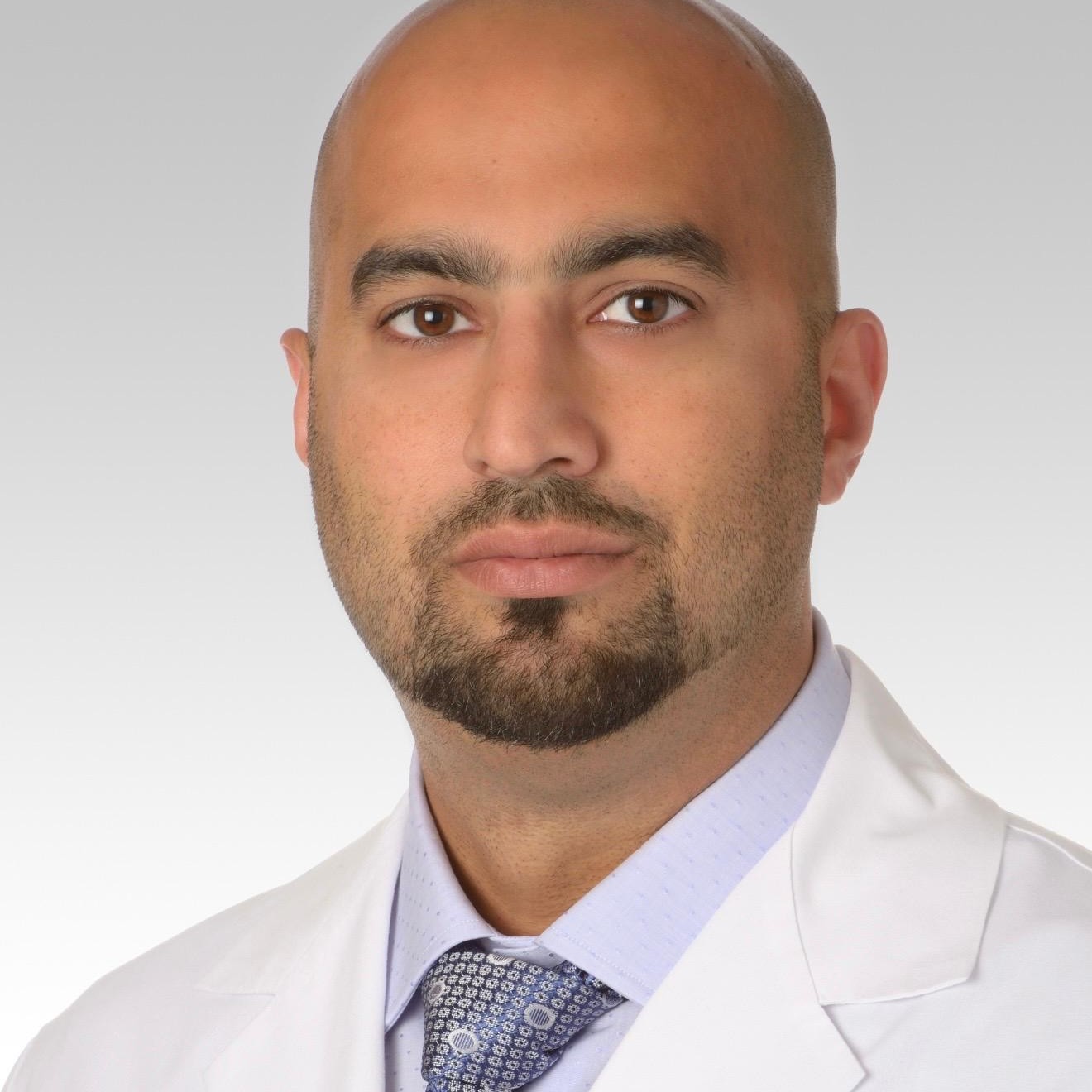
Dr. Mosab Nasser, FAJR’s president and CEO, joined from Doha as one of three guests, alongside Hussein Haridy, a former Egyptian assistant foreign minister, and Akiva Eldar, a political analyst and Haaretz contributor. Saeed put the first question to him because FAJR works on medical evacuations.
Asked whether a few dozen evacuations a day is enough, Dr. Nasser said absolutely not. He said about 20,000 people in Gaza are waiting for evacuation, among them people with blast injuries and cancer patients, and that the local health system is destroyed. He said the patients FAJR evacuates are those who cannot wait.
On what comes next, he said food is now entering Gaza, but no medical aid is going in at present. FAJR would prefer to treat patients inside Gaza, he said. Asked for the single step that would save the most lives, he said it is to bring in medical aid, medical supplies and medications. He also pointed to more than 700,000 students in Gaza without schools.
For FAJR’s work, the message from its CEO is that evacuations are needed now, and that reopening the borders to medical supplies is needed alongside them.