A Story of Survival and Strength: Mariam's Journey from Gaza to the United Kingdom
Into the Crisis
Amid one of the most devastating humanitarian crises in living memory, the surgical and medical team of FAJR Global made the difficult decision to step into a war zone. Leaving behind stability and comfort, they joined local healthcare workers at Al-Aqsa Martyrs Hospital in Deir al-Balah, central Gaza — one of the last functioning hospitals in the Strip, operating under conditions of near-total collapse.
The Night Everything Changed
On a night of intense Israeli shelling, nine-year-old Mariam woke in terror to the sound of explosions. Frightened, she ran toward her parents' room — but before she could reach them, part of the staircase collapsed. She was trapped beneath the rubble, her small body pinned and unresponsive.
For three agonising hours, her family and rescuers worked desperately to free her.
A Race Against Time
When Mariam arrived at Al-Aqsa Martyrs Hospital, her condition was critical. She had lost her hand in the collapse. The surgical team made a bold decision: if the missing limb could be found in time, they would attempt to reattach it.
Despite the ongoing danger, her family returned to the rubble. Against all odds, they found the missing arm. The cold weather had preserved it just enough to make the impossible seem possible.
In a delicate procedure lasting more than five hours, the surgeons reconnected the blood vessels and nerves under immense pressure and with limited supplies. For a moment, hope returned. Mariam had a chance not only to survive — but to recover something she had lost.
A Difficult Turn
But the situation remained fragile. The limb had been exposed to debris, dust, and explosive residue, placing Mariam at severe risk of infection. With resources stretched thin and the infection spreading rapidly, the team faced an unbearable decision. To save her life, they had to amputate again.
Mariam had lost her arm twice — first to a bomb, and then to a healthcare system broken beyond repair.
Denied. Then Reached.
FAJR Global evacuated Mariam from Gaza to Egypt, working to secure the specialist reconstructive and rehabilitative care she urgently needed — care that no longer existed in Gaza. She had also sustained grave blast injuries, including shrapnel wounds to vital organs.
A pathway to the United States was pursued. It was denied. Following the U.S. Department of State's ban on injured children from Gaza entering the United States, Mariam was left without a route to the treatment she needed.
It was at this point that Project Pure Hope stepped in.
PPH identified Mariam as a candidate for medical evacuation to the United Kingdom, where privately funded specialist care could be arranged through PPH's established network of leading UK paediatric hospitals. Working in partnership with FAJR Global, PPH navigated the complex clinical, logistical, and administrative requirements to bring her to the UK — an extraordinary achievement given Gaza's closed borders and severely restricted permissions.
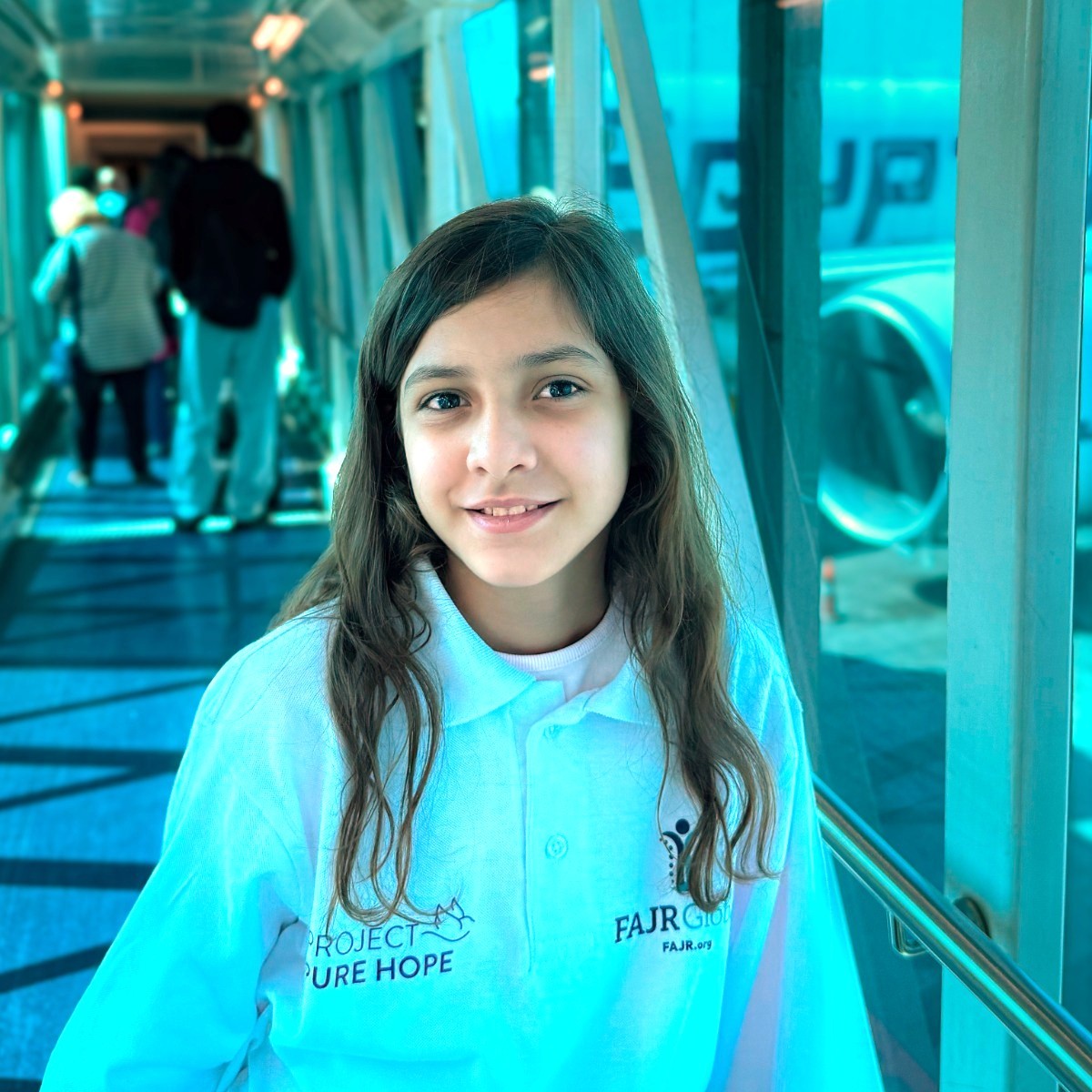
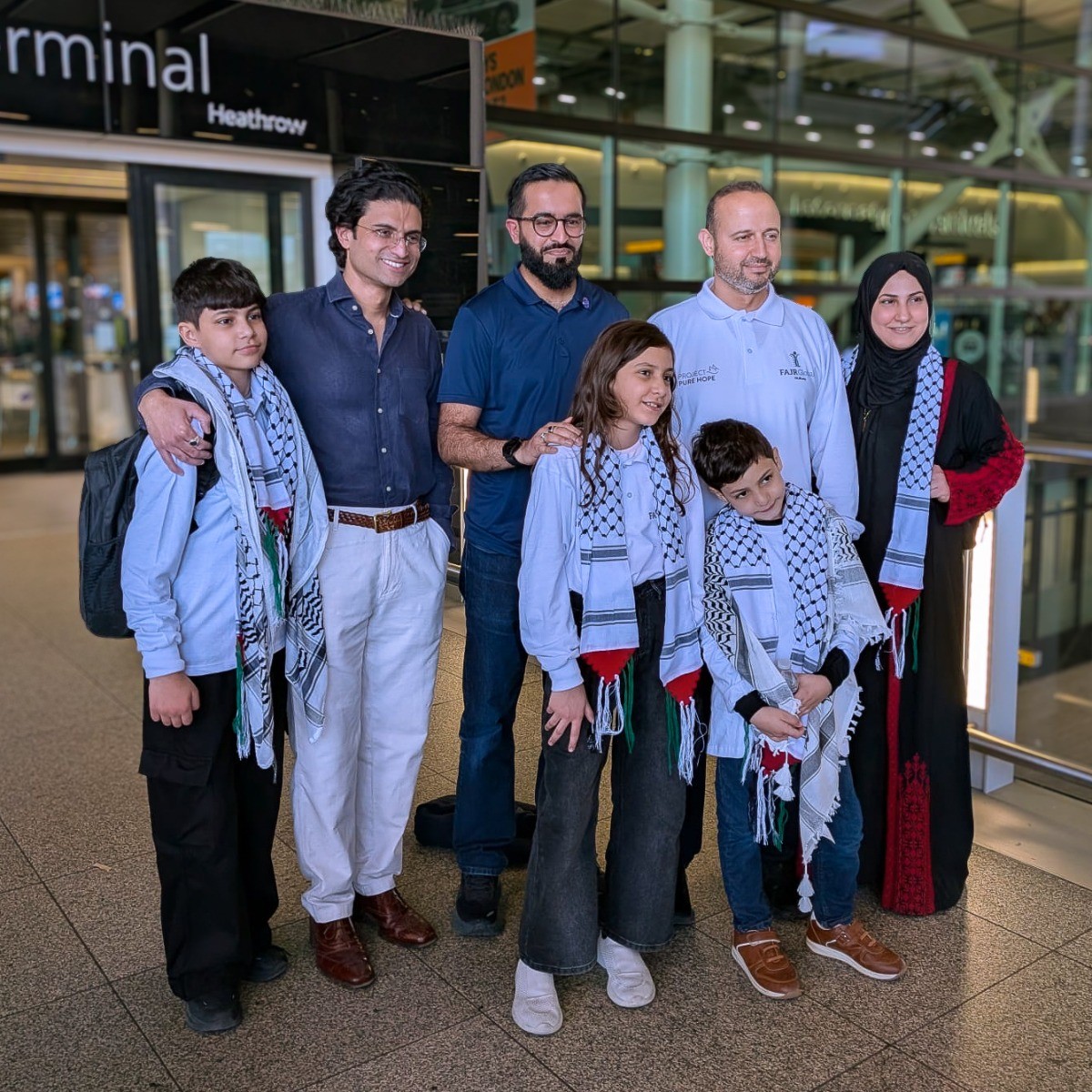
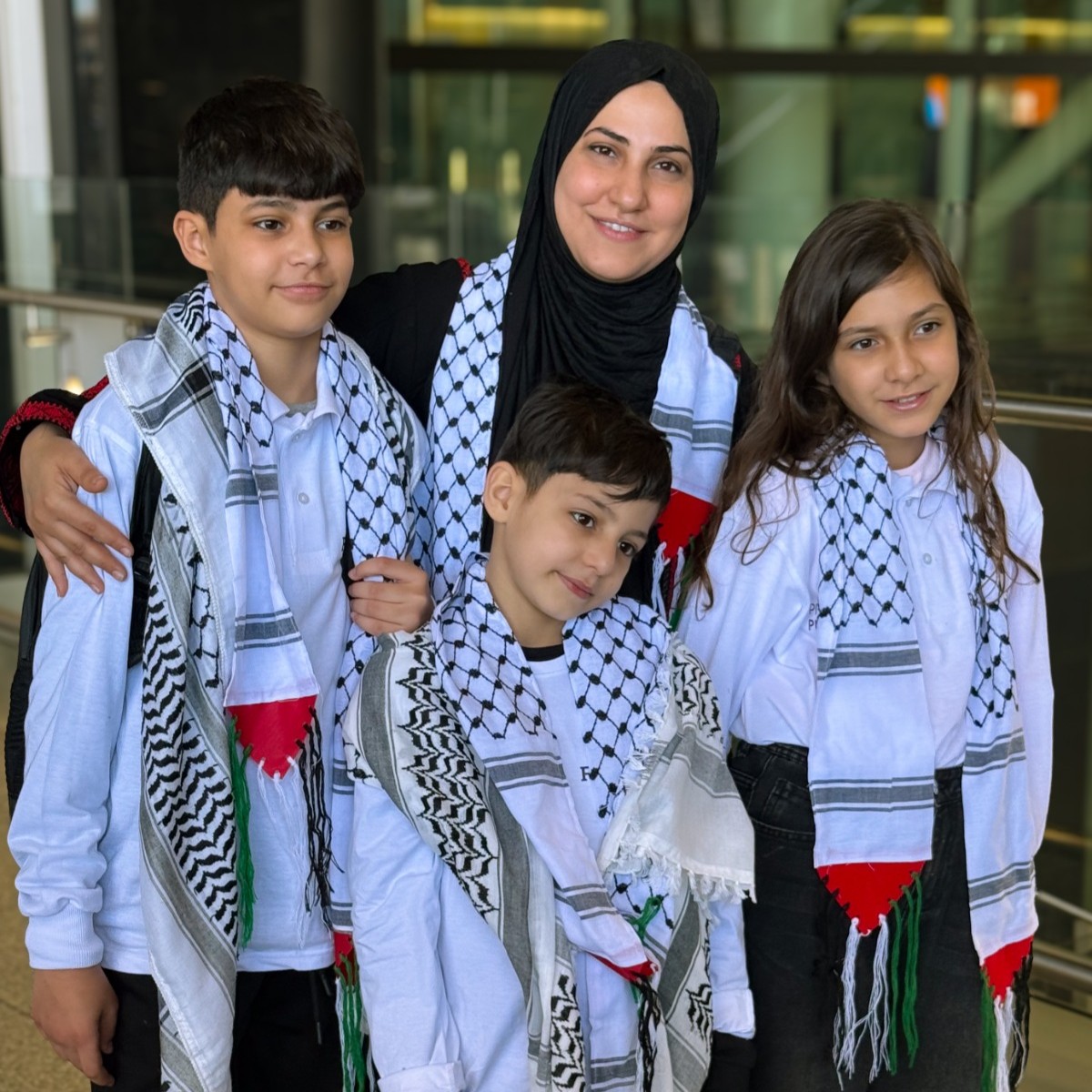
On 7 April 2026, Mariam arrived in the United Kingdom with her mother and two brothers, accompanied by FAJR’s Global President & CEO, who traveled from Texas to Egypt to support them throughout the journey.
An Unbreakable Will
Mariam's story is not only one of suffering. It is one of courage — a family that searched through rubble and shelling for a severed hand, medical teams that operated under fire with depleted supplies, and two organisations that refused to accept that a child's access to care should be determined by geography or politics.
She was nine years old when the bomb struck. She is ten now. And her journey toward recovery — the full recovery she deserves — is now underway.
Mariam’s story is just one among thousands of children in Gaza—left without adequate care, confined behind towering barriers—waiting not only for help, but for a chance to be seen, heard, and given the future they deserve.